


Essential Tips for Effective AC Maintenance
Air conditioning systems are not just a luxury in regions with extreme temperatures; they are a necessity. In cities like Dubai, where the summer heat can be relentless, having a well-maintained AC unit is crucial for comfort and health. Regular maintenance ensures your air conditioner runs efficiently, prolongs its lifespan, and helps you avoid costly repairs. Whether you prefer handling maintenance on your own or hiring professionals, understanding the fundamentals of AC upkeep can make a significant difference in your unit’s performance.
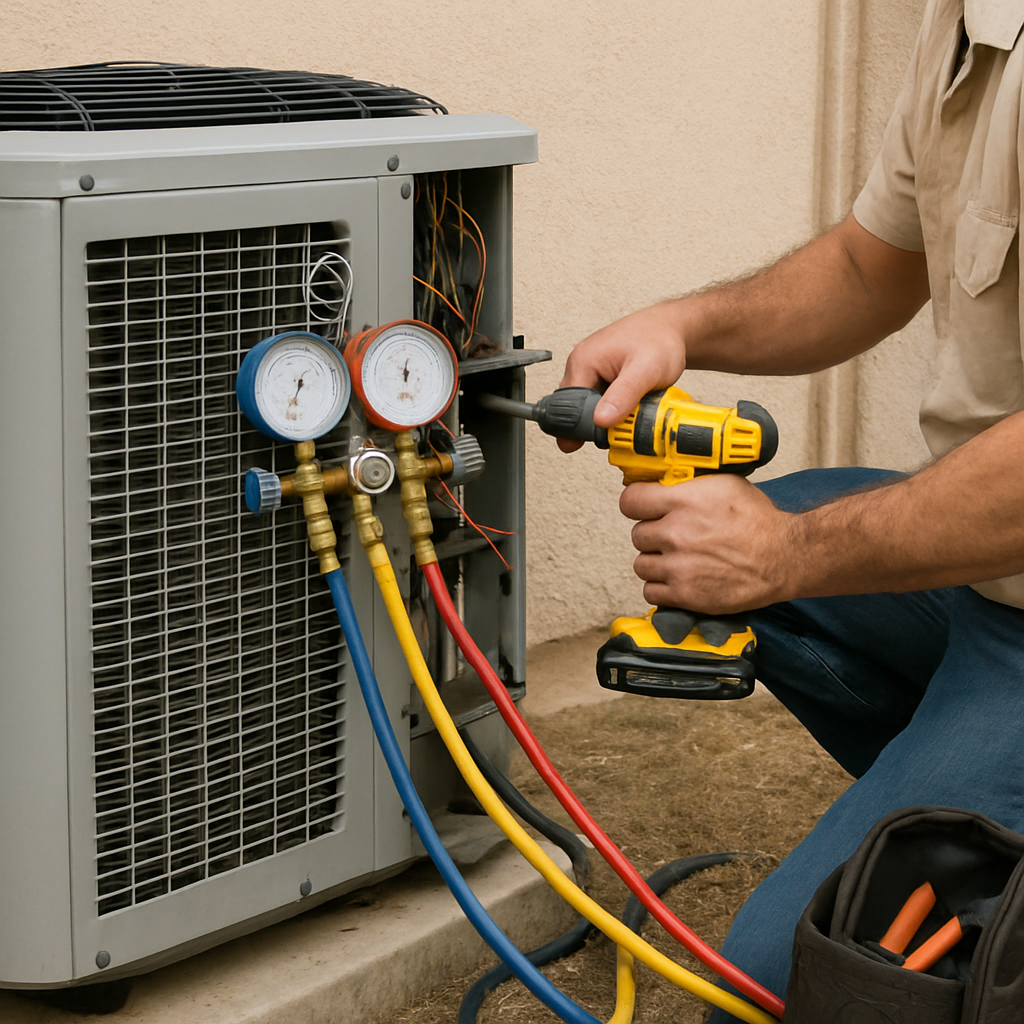
Regular maintenance of your air conditioning system is more than just a routine task; it’s an investment in comfort and efficiency.
Extending the Lifespan of Your Unit
An air conditioning unit is a significant investment, and you naturally want to get the most out of it. Regular maintenance helps prevent wear and tear, allowing your system to function optimally for longer. By addressing minor issues before they escalate, you can avoid premature replacement and extend the lifespan of your AC unit, saving you money in the long run.
Improving Efficiency and Reducing Energy Costs
An efficiently running AC unit not only provides better cooling but also consumes less energy. Regular maintenance tasks like cleaning or replacing filters, checking refrigerant levels, and ensuring proper airflow can significantly improve your system’s efficiency. This reduced energy consumption translates to lower utility bills, making maintenance a cost-effective measure in the long term.
Preventing Costly Repairs
Neglecting regular maintenance can lead to system failures and expensive repairs. Dust, dirt, and debris can accumulate in your AC system, causing it to overwork and leading to component failures. Routine checks allow you to identify potential problems early, preventing them from developing into more severe issues that require costly repairs or even replacement.
Ensuring a Comfortable Indoor Environment
A well-maintained air conditioning system ensures a comfortable indoor environment by maintaining optimal temperature and humidity levels. It prevents sudden breakdowns during peak seasons, ensuring that your home remains a haven of comfort regardless of the weather outside. Regular maintenance helps you avoid the discomfort of unexpected cooling failures.
Key Components of AC Maintenance
Understanding the key components involved in AC maintenance can empower you to keep your system running smoothly and efficiently.
1. Air Filter Cleaning and Replacement
Air filters are vital to maintaining indoor air quality and system efficiency.
The Role of Air Filters
Air filters trap dust, pollen, and other airborne particles, preventing them from entering your home and clogging your AC system. Over time, these filters can become saturated with debris, reducing airflow and forcing the system to work harder to maintain the desired temperature.
When to Clean or Replace Filters
Cleaning or replacing air filters should be done every one to three months, depending on usage and manufacturer guidelines. In homes with pets or allergy sufferers, more frequent changes may be necessary to ensure optimal air quality and system performance.
Impact on System Performance
Neglecting air filter maintenance can lead to reduced cooling efficiency and increased energy consumption. A clean filter ensures proper airflow, allowing your AC system to operate at peak performance levels and extend its lifespan.
2. Checking and Cleaning the Evaporator and Condenser Coils
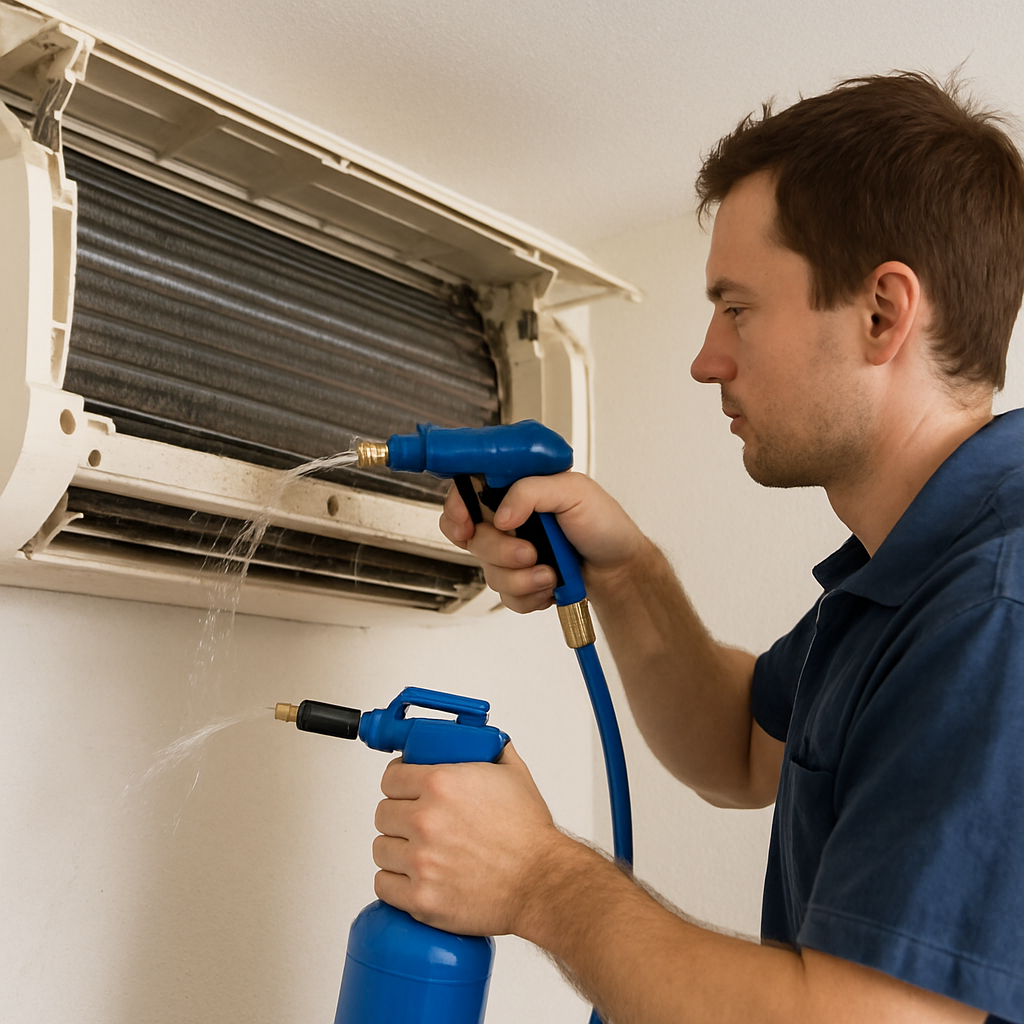
The evaporator and condenser coils play a crucial role in the heat exchange process.
Importance of Clean Coils
These coils are responsible for absorbing and dissipating heat. Over time, they can accumulate dirt and grime, which acts as an insulating layer, reducing their efficiency. Dirty coils make your system work harder, leading to increased energy use and potential overheating.
Regular Maintenance Practices
To maintain efficient heat exchange, regularly inspect and clean the coils. This involves removing debris and ensuring that the coils are free from dirt and dust buildup. Regular cleaning prevents overheating and improves your system’s overall efficiency.
Professional vs. DIY Coil Cleaning
While some coil cleaning can be done as a DIY task, involving a professional at least once a year is advisable. Professionals have the tools and expertise to thoroughly clean the coils without damaging them, ensuring your system continues to run efficiently.
3. Inspecting the Refrigerant Levels
Refrigerant is the lifeblood of your air conditioning system.
Role of Refrigerant in Cooling
The refrigerant is responsible for absorbing heat from the indoor air and releasing it outside, effectively cooling your home. Proper refrigerant levels are crucial for your AC system to function correctly and efficiently.
Signs of Low Refrigerant Levels
Low refrigerant levels can lead to reduced cooling capacity, increased energy consumption, and potential damage to your compressor. Common signs include warm air blowing from vents, ice buildup on the evaporator coils, and hissing or bubbling noises.
Addressing Refrigerant Issues
If you suspect a refrigerant leak or notice any signs of low refrigerant levels, it’s essential to contact a professional technician. Handling refrigerant requires specialized equipment and expertise, and a qualified professional can safely diagnose and fix the issue.
4. Ensuring Proper Thermostat Functionality
The thermostat is the control center of your AC system.
Importance of a Functional Thermostat
A properly functioning thermostat ensures that your AC system maintains the desired indoor temperature efficiently. It signals the system to turn on or off based on the temperature settings, optimizing energy use.
Calibration and Settings
Regularly check the thermostat settings to ensure they accurately reflect your comfort preferences. If the thermostat is not reading the temperature correctly, consider calibrating it or upgrading to a programmable or smart thermostat for enhanced energy efficiency and convenience.
Upgrading Your Thermostat
Upgrading to a smart thermostat can offer greater control over your home’s climate. These devices allow remote access and scheduling, helping to reduce energy consumption and improve overall comfort.
5. Examining the Ductwork
Ductwork is essential for distributing cooled air throughout your home.
Signs of Ductwork Issues
Leaky or dirty ductwork can lead to uneven cooling and increased energy consumption. Common signs include inconsistent temperatures across rooms, higher-than-usual utility bills, and visible dust around vents.
Routine Inspection and Maintenance
Regularly inspect ductwork for visible leaks, blockages, or damage. Cleaning ducts and sealing any leaks can improve airflow and efficiency, ensuring your AC system operates at peak performance.
Professional Ductwork Services
While some ductwork inspection can be done as a DIY task, hiring a professional for a comprehensive evaluation and cleaning is beneficial. Professionals have the tools and knowledge to address ductwork issues effectively.
DIY AC Maintenance Tips
While professional maintenance is crucial, there are several tasks you can perform yourself to keep your AC system in good condition.
Cleaning the Outdoor Unit
The outdoor unit, also known as the condenser, requires regular attention.
Importance of a Clean Outdoor Unit
The outdoor unit expels heat absorbed from inside your home. Debris buildup around the unit can obstruct airflow, forcing your system to work harder and reducing its efficiency.
Steps to Clean the Outdoor Unit
Regularly inspect and clear the area around the outdoor unit. Remove leaves, dirt, and debris, and ensure there is adequate clearance for proper airflow. Keeping the unit clean helps maintain optimal performance and prolongs its lifespan.
Seasonal Maintenance Tips
At the start of each cooling season, perform a thorough cleaning of the outdoor unit. This includes removing the protective cover (if applicable) and gently washing the unit with a hose to remove accumulated dirt and grime.
Checking the Drain Line
The condensate drain line is crucial for removing excess moisture from your home.
Role of the Condensate Drain Line
This line carries away moisture that accumulates during the cooling process. A clear and functional drain line prevents water damage and maintains system efficiency.
Identifying Drain Line Issues
A clogged drain line can lead to water leaks, increased humidity levels, and potential damage to your AC system. Regularly inspect the drain line for blockages or mold growth, and clean it as necessary.
DIY Drain Line Maintenance
To clean the drain line, use a mixture of vinegar and water to flush out debris. A wet/dry vacuum can also be used to remove clogs. Regular maintenance ensures proper drainage and prevents costly water damage.
Inspecting the Electrical Connections
Electrical connections are vital for the safe operation of your AC system.
Importance of Secure Electrical Connections
Loose or damaged connections can lead to system malfunctions, decreased efficiency, and potential safety hazards. Regular inspection helps ensure your AC unit operates safely and efficiently.
DIY Electrical Inspection Steps
Periodically check the wiring and connections for signs of wear or damage. Tighten any loose connections, but if you’re not comfortable working with electrical components, it’s best to call a professional.
When to Call a Professional
If you notice any burning smells, sparks, or frequent circuit trips, seek professional assistance immediately. A qualified technician can safely diagnose and repair electrical issues, ensuring your system’s safety and performance.
When to Call a Professional

by NOAA (https://unsplash.com/@noaa)
While DIY maintenance can help keep your system running efficiently, certain issues require professional expertise.
Recognizing When Professional Help is Needed
Knowing when to call a professional can prevent minor issues from escalating into major problems. If your AC system is not cooling effectively, making unusual noises, frequently cycling on and off, or causing a significant increase in energy bills, it’s time to call in a pro.
Benefits of Professional Maintenance
Professional technicians have the tools, knowledge, and experience to diagnose and fix complex AC issues. They can perform comprehensive inspections, identify hidden problems, and provide solutions that ensure your system operates efficiently.
Preventing Further Damage
By addressing issues promptly with professional help, you can prevent further damage to your AC system. Regular professional maintenance checks are an investment in your system’s longevity and reliability.
Choosing the Right AC Maintenance Service in Dubai
Finding a reliable AC maintenance service in Dubai is essential for quality care.
Evaluating Experience and Expertise
Choose a company with a proven track record and experienced technicians. A knowledgeable service provider can handle various AC models and issues, ensuring your system receives expert care.
Considering Reputation and Reviews
Check online reviews and testimonials to gauge the company’s reputation. Positive feedback from past clients is a good indicator of reliable and quality service.
Ensuring Licensing and Certification
Ensure the company is licensed and certified to perform AC maintenance and repair services in Dubai. Proper certification ensures adherence to industry standards and safety regulations.
Importance of Transparent Pricing
Choose a company that offers transparent pricing with no hidden fees. Request a detailed quote before commencing any work to avoid unexpected costs and ensure budget-friendly service.
Conclusion
Regular AC maintenance is crucial for ensuring your air conditioning system operates efficiently and lasts longer. By performing routine maintenance tasks and enlisting professional help when necessary, you can enjoy a comfortable indoor environment and save on energy costs. Whether you opt for DIY maintenance or hire a professional AC maintenance company, staying proactive with your air conditioning maintenance will keep your system in peak condition and prevent costly repairs down the line.
By following these essential tips for effective AC maintenance, you can keep your system running smoothly, ensuring comfort and efficiency all year round.